
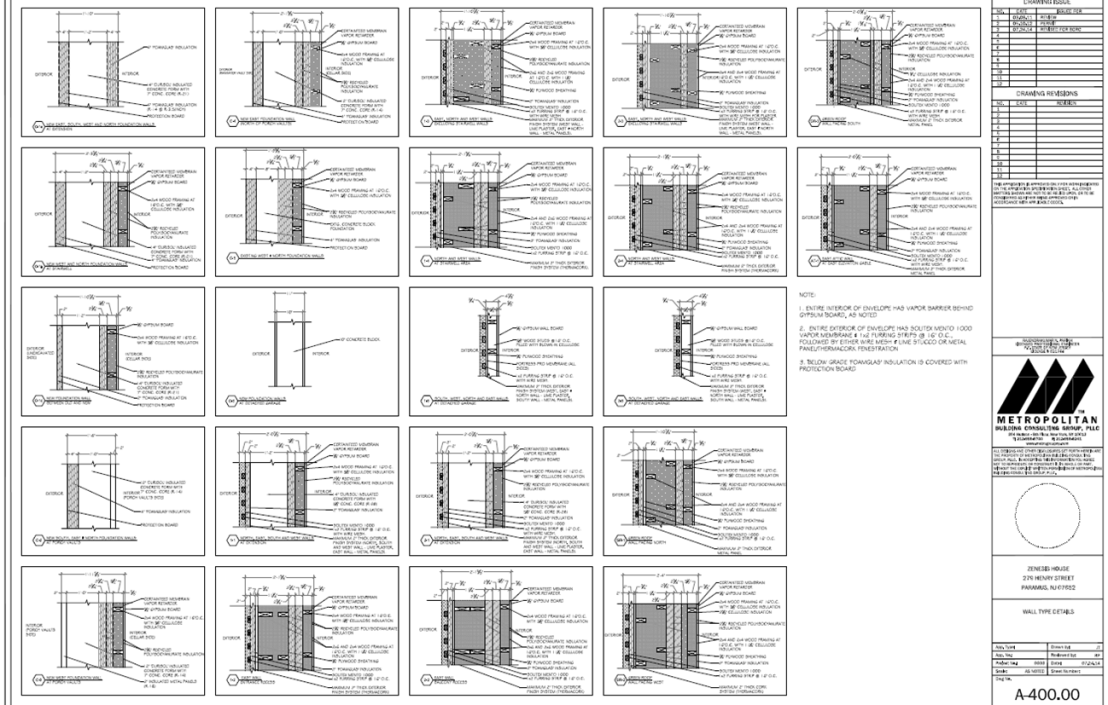
Insulation Summary – In total, 22 separate wall assemblies were built to preserve uniform R-value throughout multiple construction types in the home. Could we have kept it down to one or two? For sure. However cost savings and design innovation both sprang for fine-tuning the envelope performance for:
- Proportion of glazing to insulated area in that wall section
- Structural stability of lower vs upper floors
- Reinforced concrete vs wood-stud layers
- Existing foundation walls
- Below-grade vs slab-on-grade construction
Major Materials Used
Rigid Aerated Glass
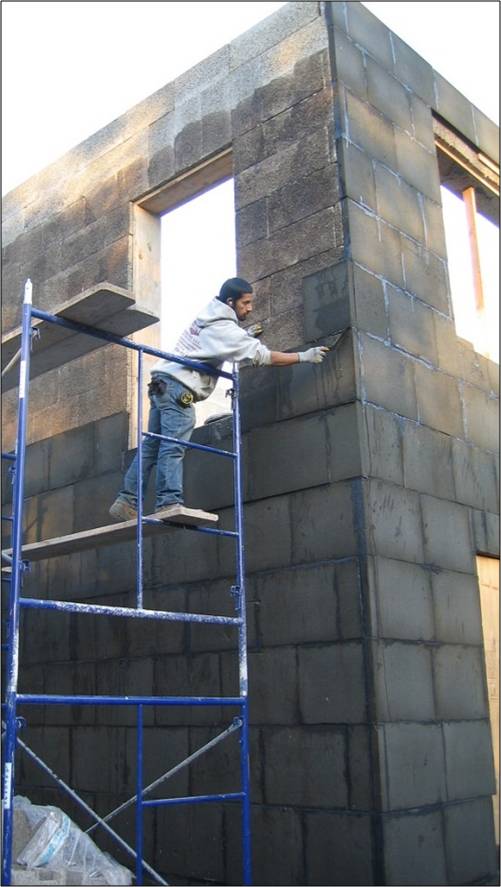
Using a VOC-free adhesive named PC-56, Foamglas rigid insulation was affixed to the existing foundation, block by block and around existing footings, below all slabs, and around the entire building envelope.
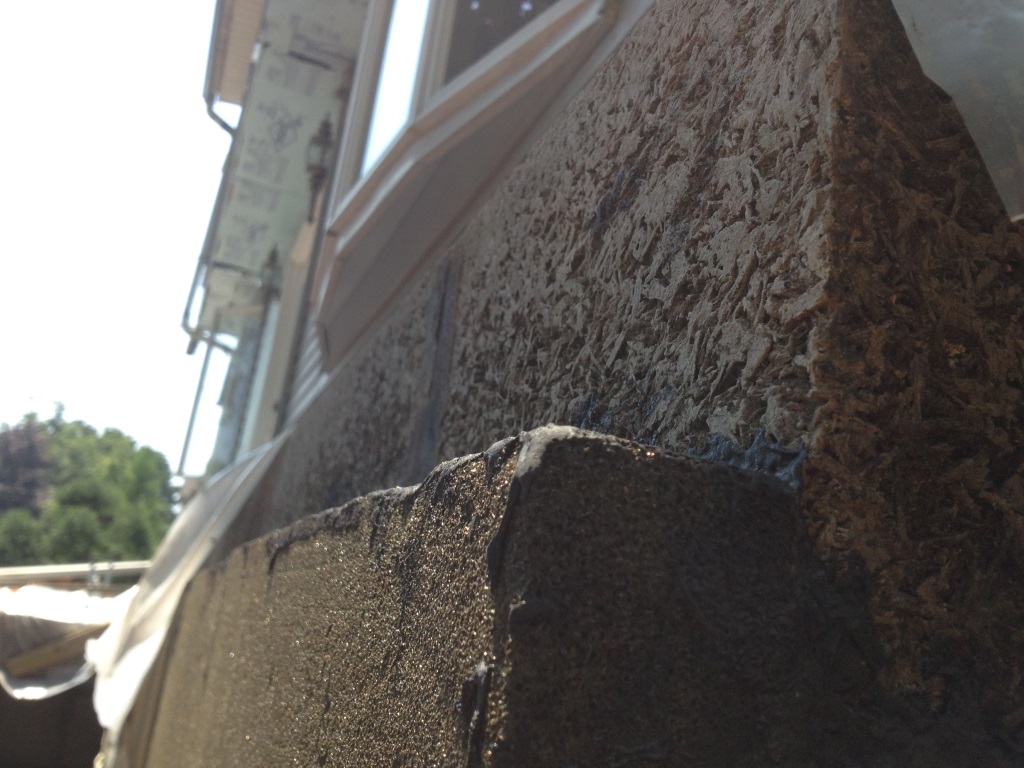
Foamglas installed over Durisol ICFs by adhesion, not with fasteners. PC-56, a VOC-free adhesive was used throughout the entire home exterior.

Foamglas applied over entire facade, coming into contact with below-grade installation.
Seams were sealed with PC-56 VOC-free adhesive.
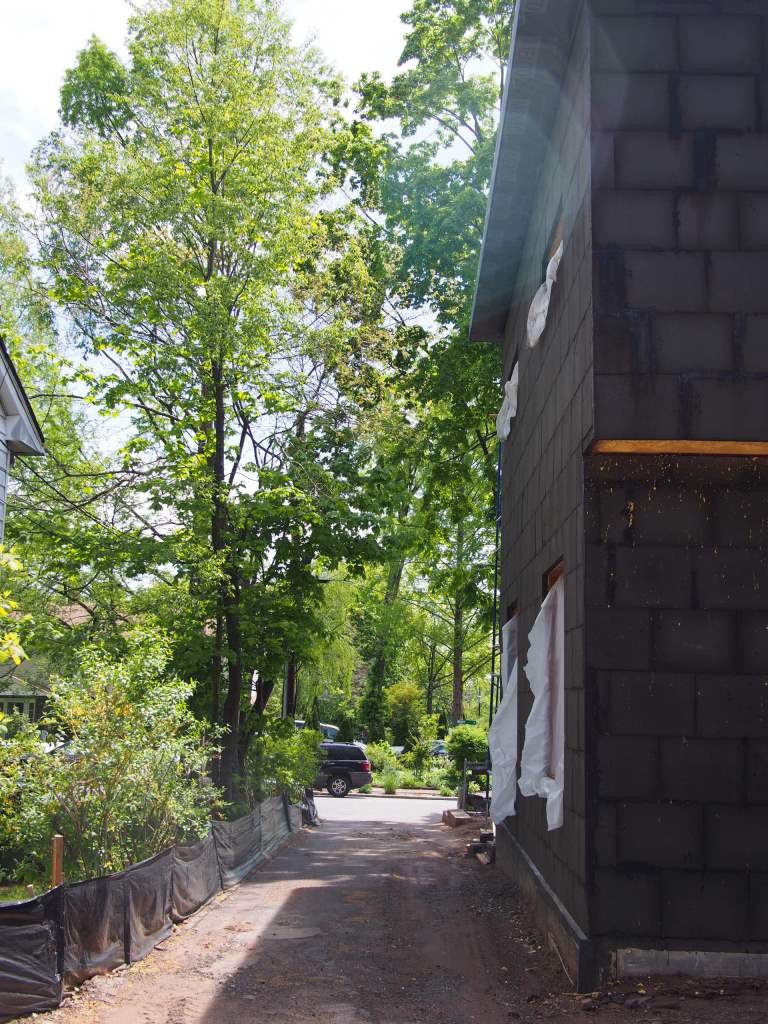
Extra care was taken to ensure Foamglas came into contact with Foamglas at each corner, forming an unbroken airtight, rain screening, and insulating exterior barrier.
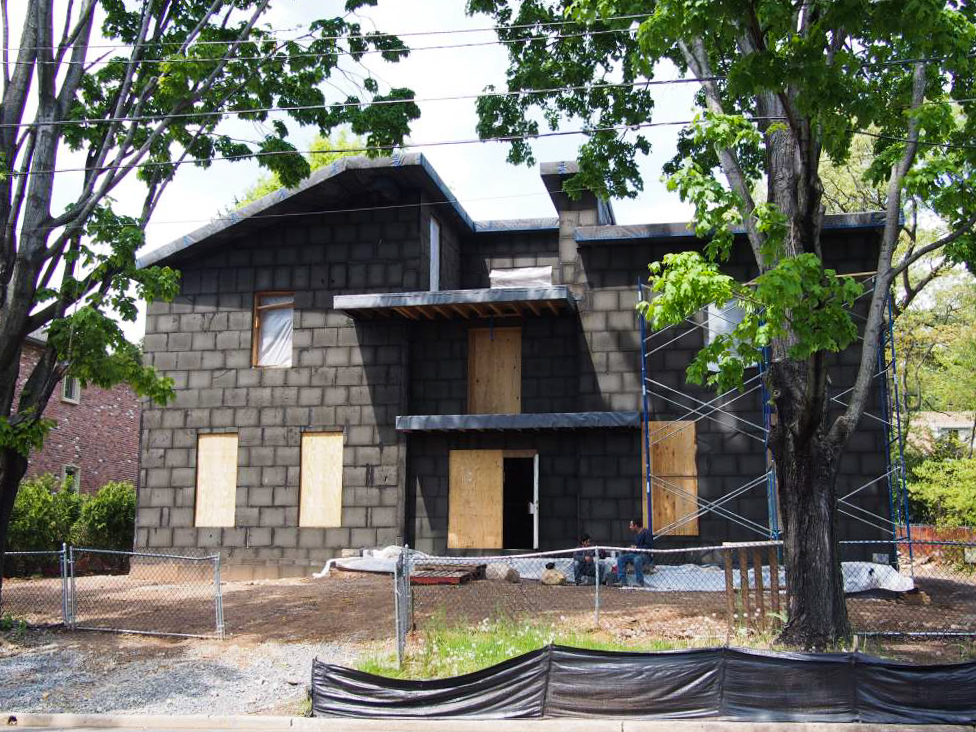
An unbroken, air, thermal, water, radon, radiation, vermin, and fireproof layer ready for facade finishes.

ICF’s insulated with Rockwool
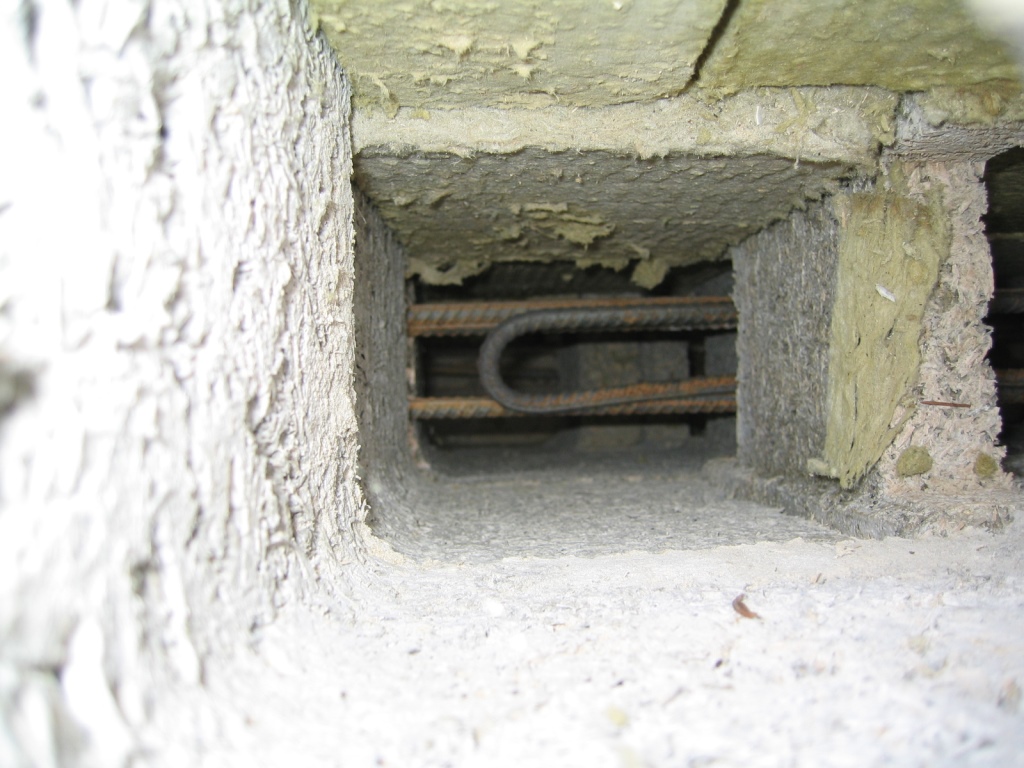
New walls built with Durisol-brand carbon-neutral ICF’s using Roxul mineral wool.

Recycled steel rebar within insulated envelope.

Forms an unbroken wall of mineral wool, as second insulating layer in new-construction section.

Spaceloft Gel (R-10)/inch
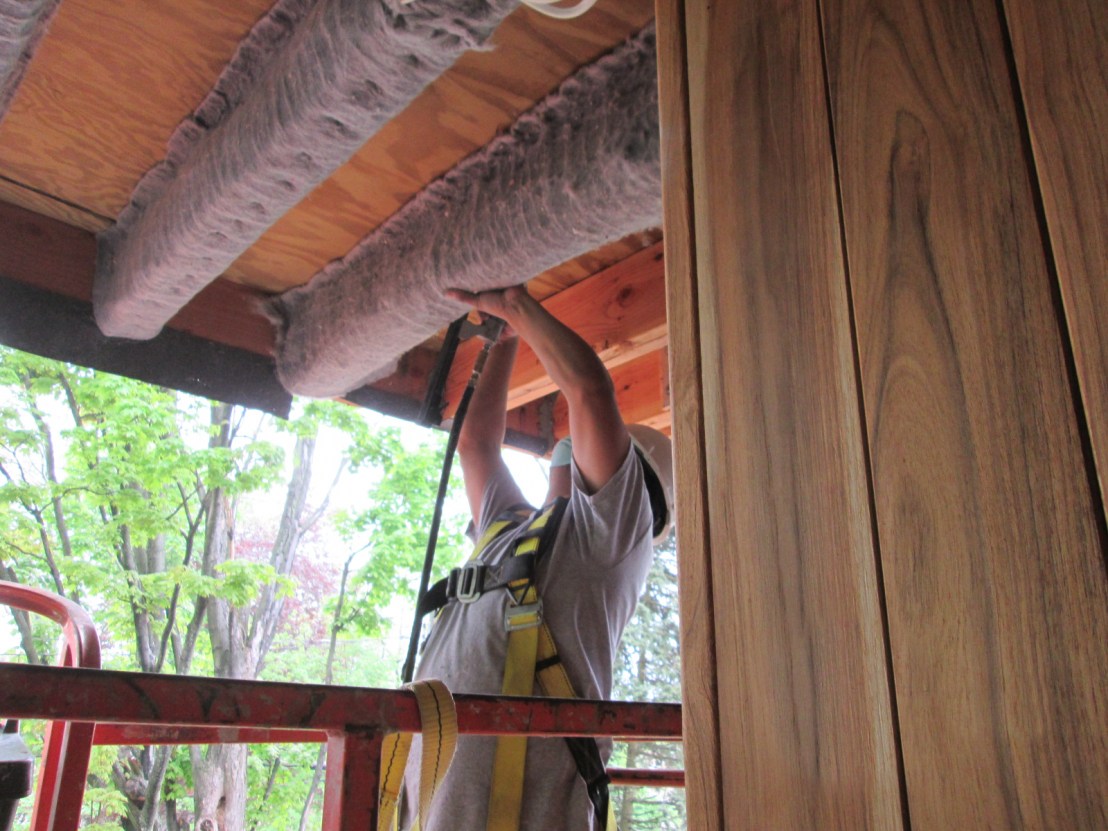
Aerogel, (R-10 per inch) was used to wrap cantilevered joists that support the balcony.
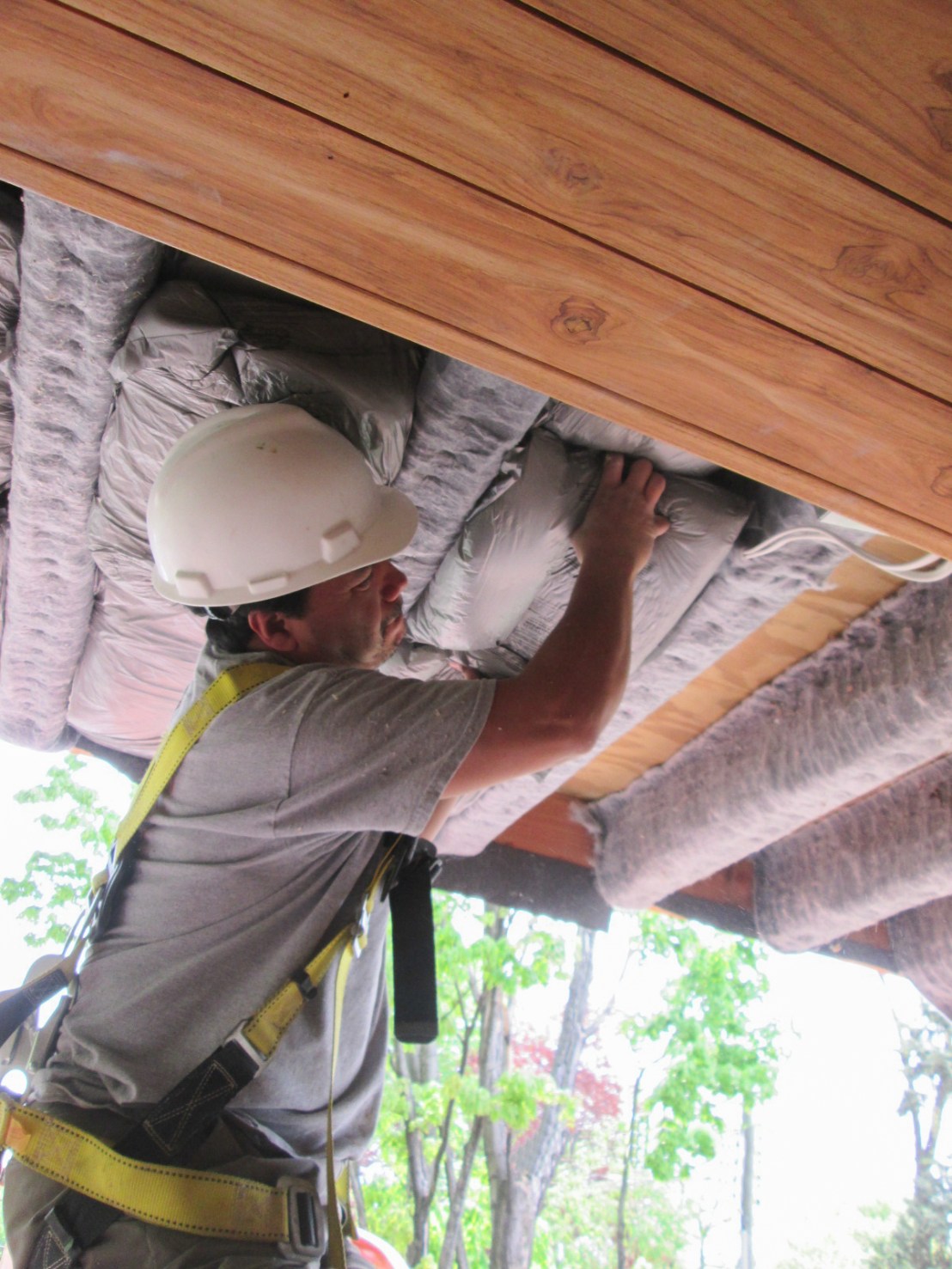
Additional Aerogel was layered into stud cavities for extreme insulation under the protruding balcony that extends into the passive house.
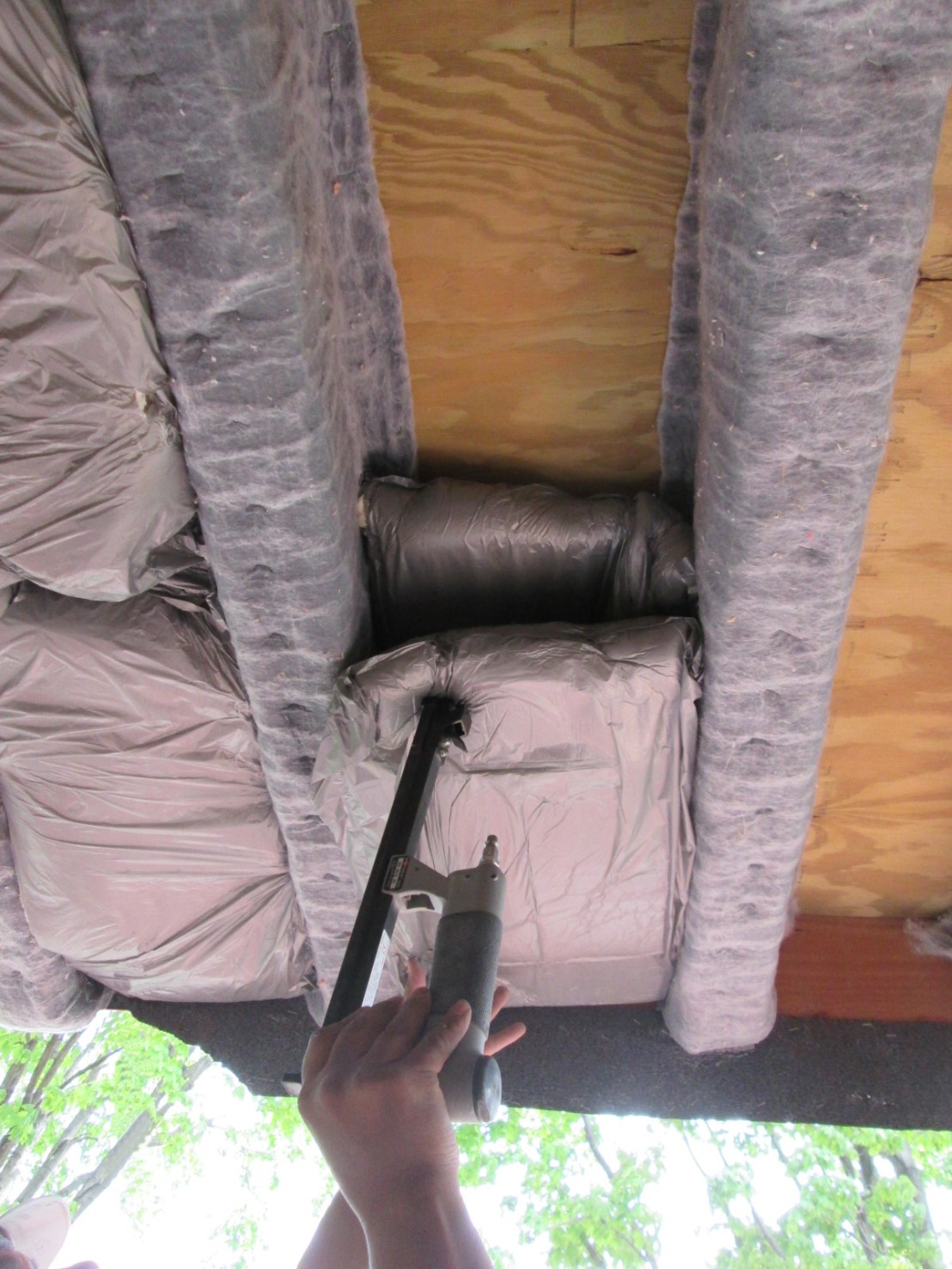
Aerogel + Aerogel = Balcony in a Passive House

Dense-Pack Cellulose (made of Recycled Newspaper)
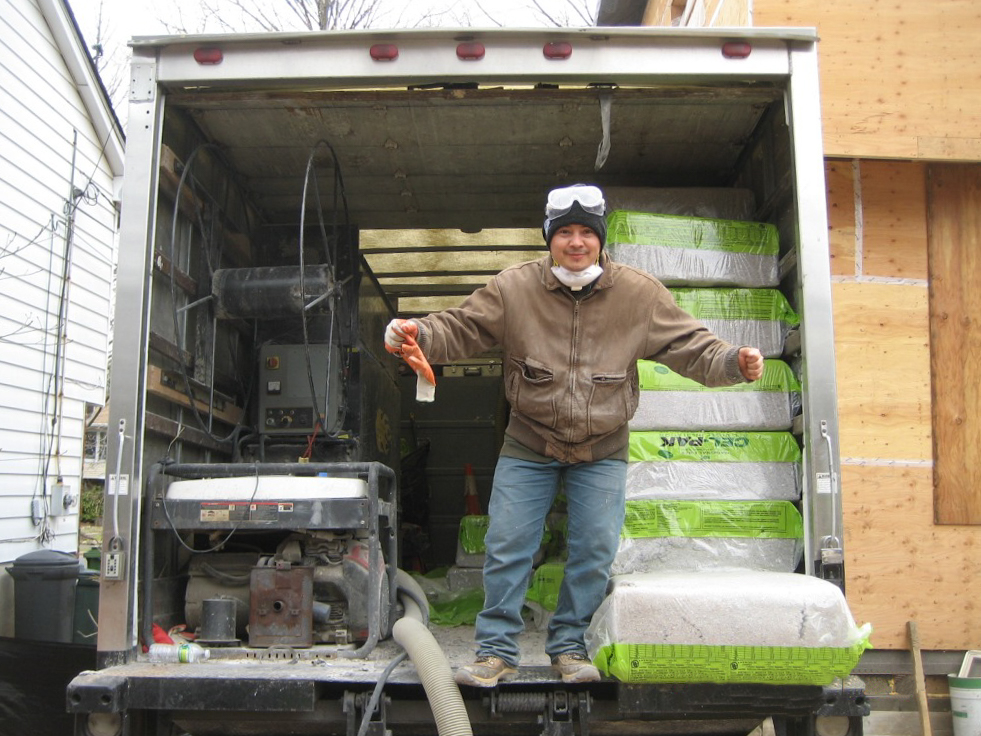
Hopper for dense-pack cellulose was parked in the driveway while installation occurred

Borated dense-pack cellulose was blown into interior walls.
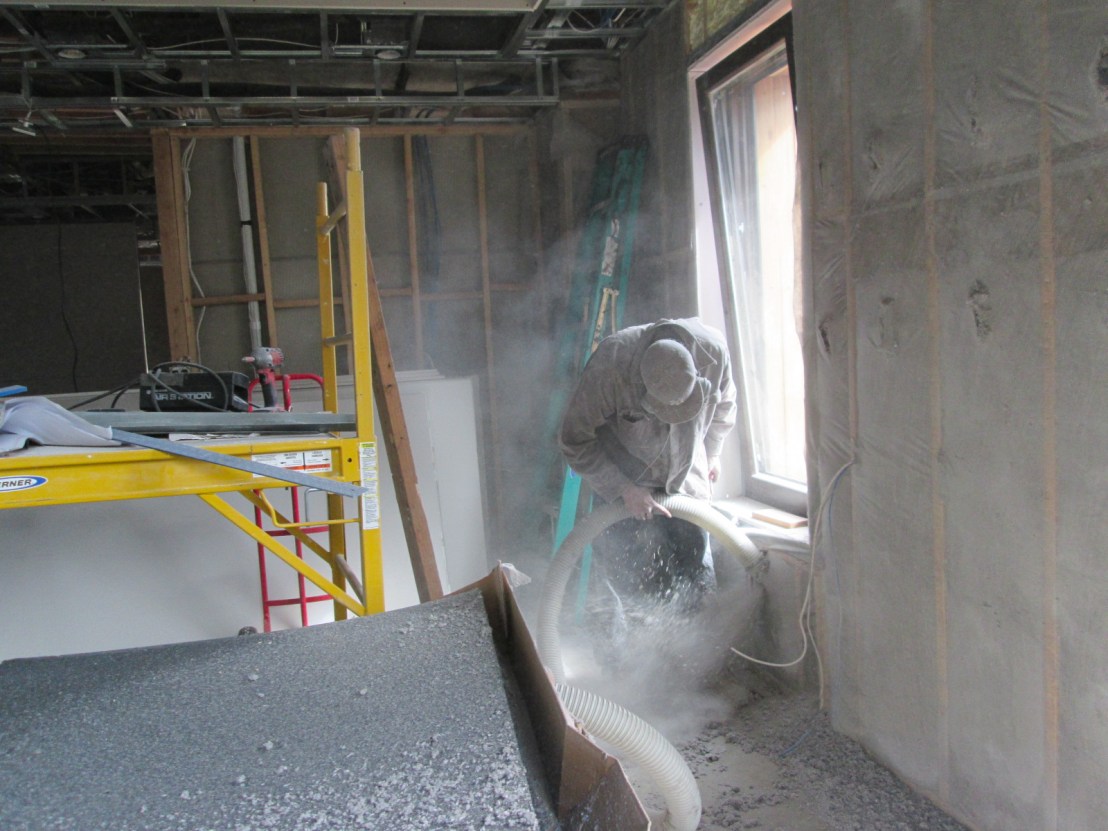
Opening were made in the membrane, cellulose was added
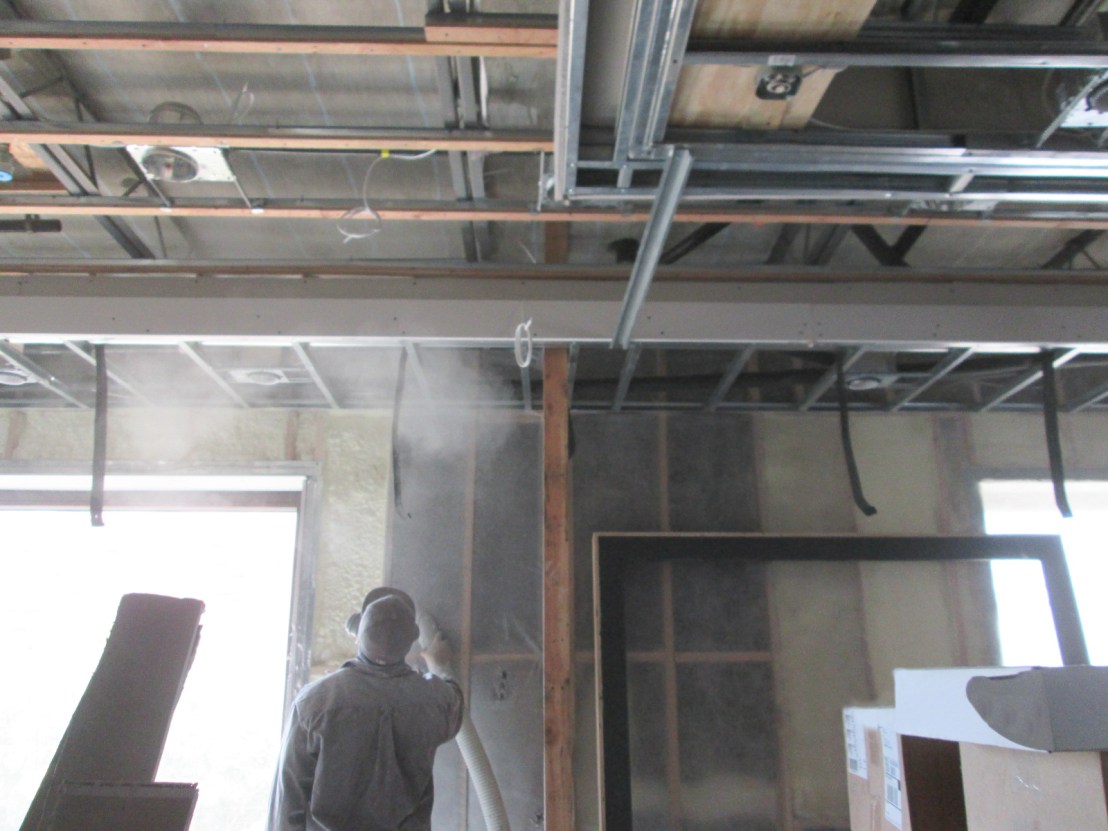
Soy-based sprayfoam was added around window frames for additional insulation + airtightness.

Completed dens-pack installation

Repurposed PolyIso / Perlite Boards
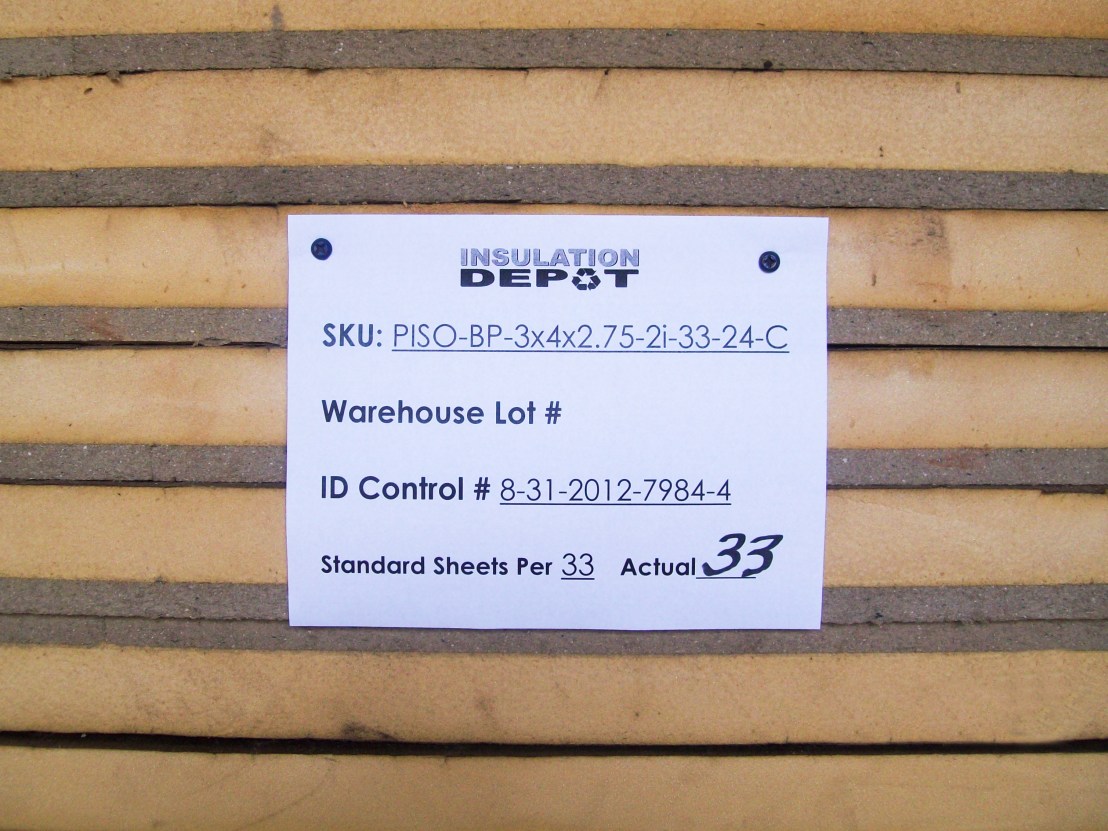
Repurposed from a Massachusetts warehouse and slipped UNBROKEN between stud layers.

We took delivery of an entire truckoad of these boards

And slipped them- unbroken by studs- in between the 2nd and 3rd stud layers, both of which were filled with dense-pack cellulose.

Soy-based sprayfoam insulation was used in the roof joists, coming into direct contact with wall insulation.

Facade-Grade Cork
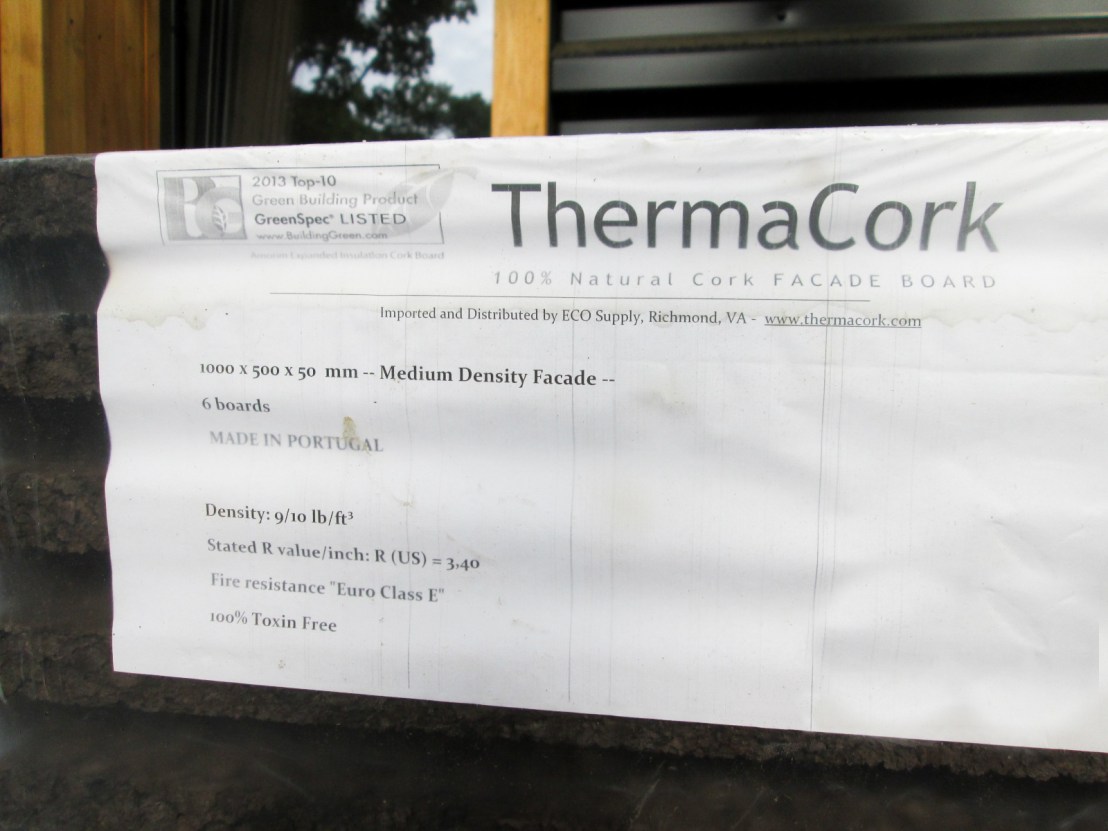
Facade-grade was chosen for 4 primary reasons: 1) Because cork comes from the bark of trees and is renewable, 2) Elevations that contain cork have a higher percentage of glazing-to-wall area and we wanted to maintain consistent overall R-values, 3) Sound attenuation, and 4) It’s an interesting and conversation-inspiring material at the entrances.
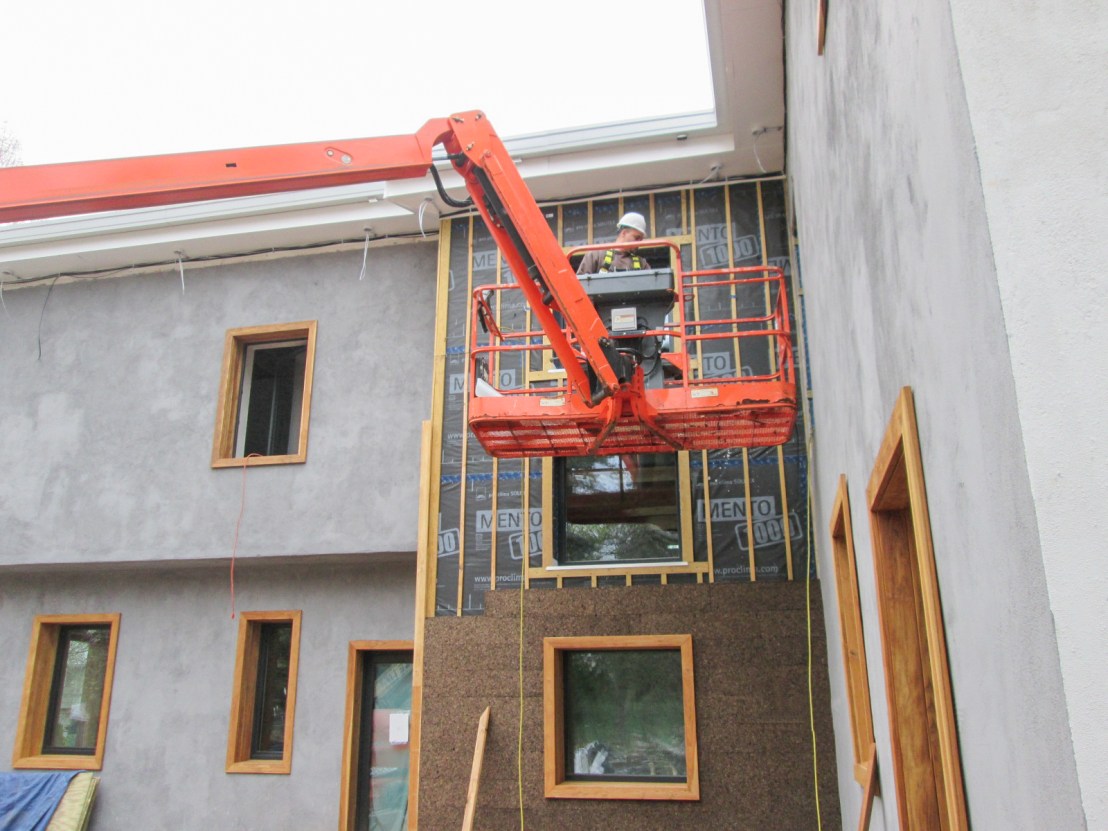
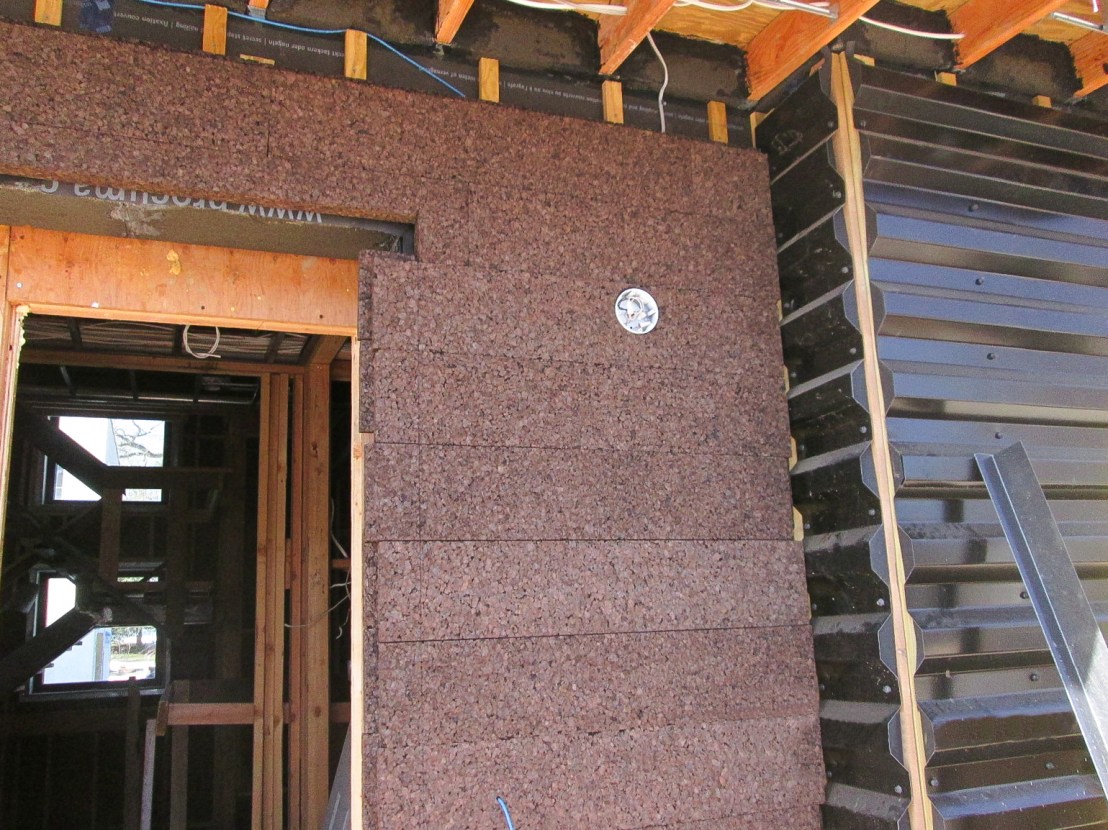
Cork was installed over furring strips placed over vapor-smart Solitex Mento sealed with Tescon tape.
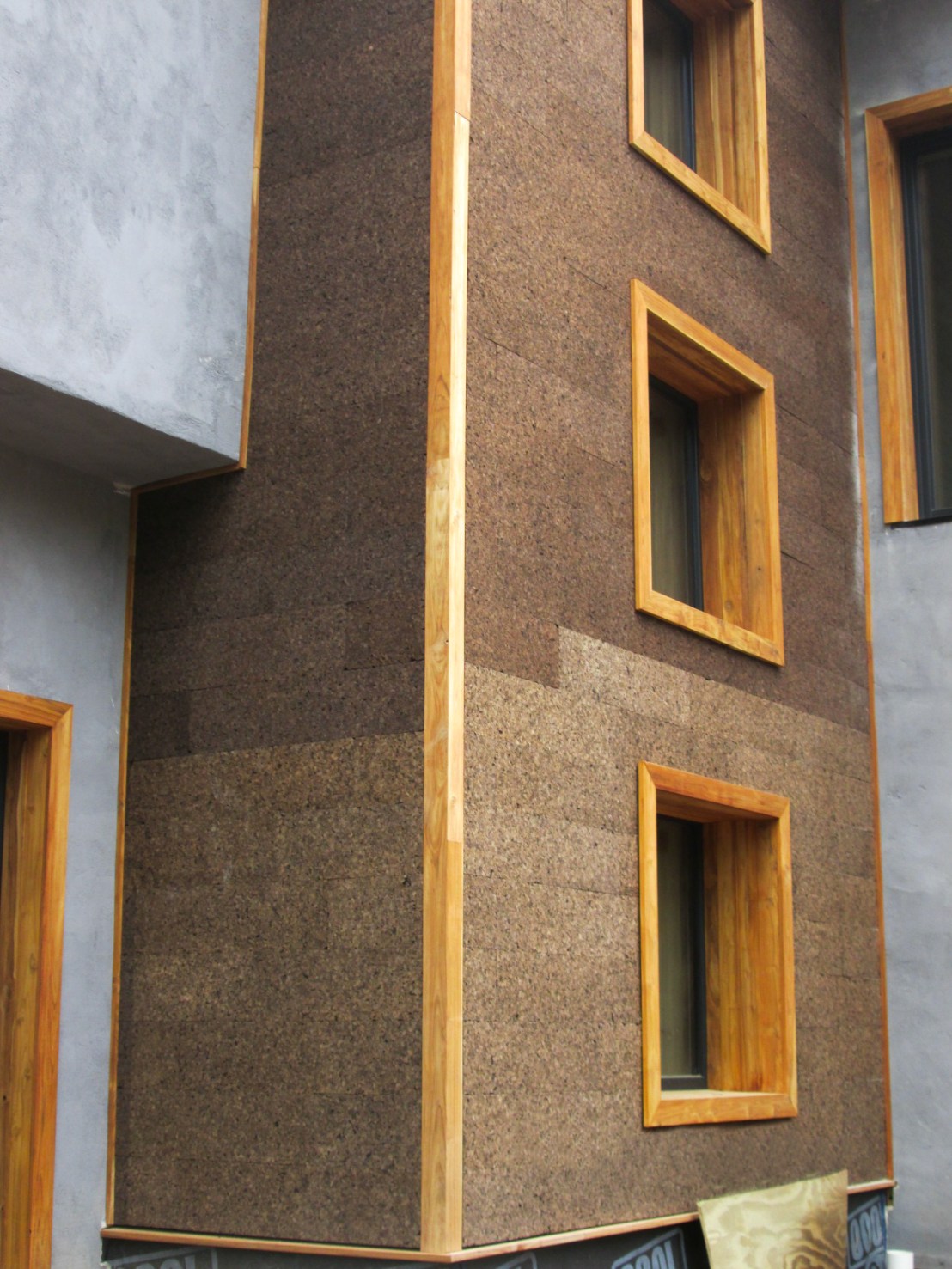
These three windows were placed at the central core to illuminate both the stairway and indoor vertical garden.
Insulated Metal Roof – Standing Seam Joints
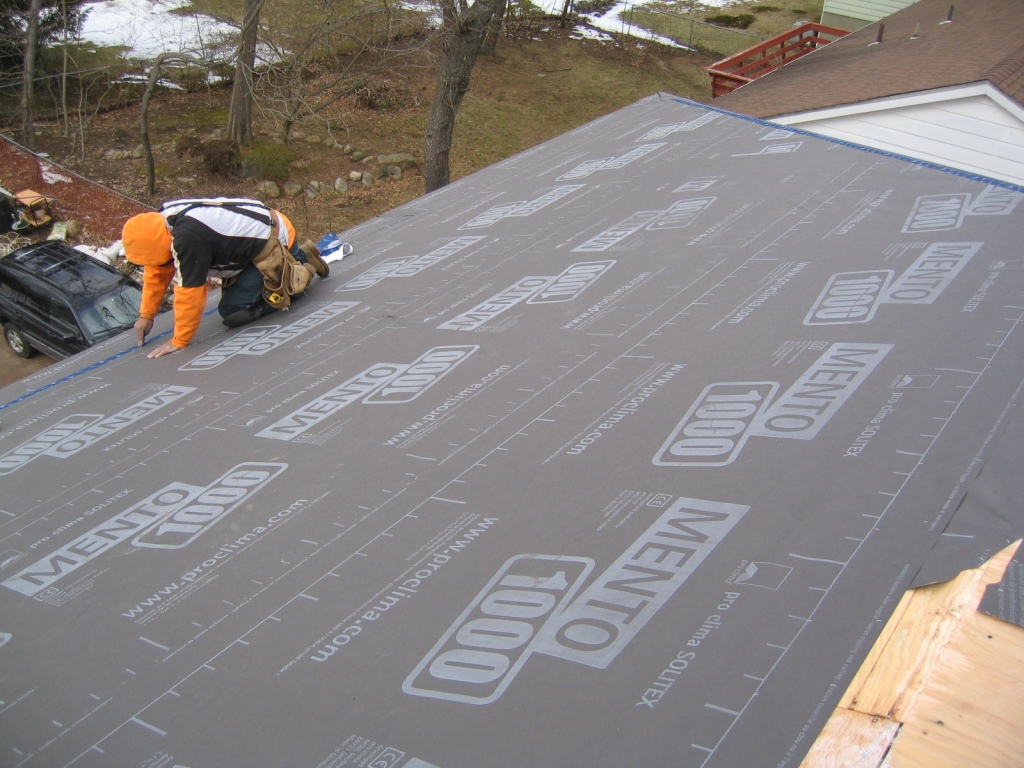
Solitex Mento was installed over wood sheathing
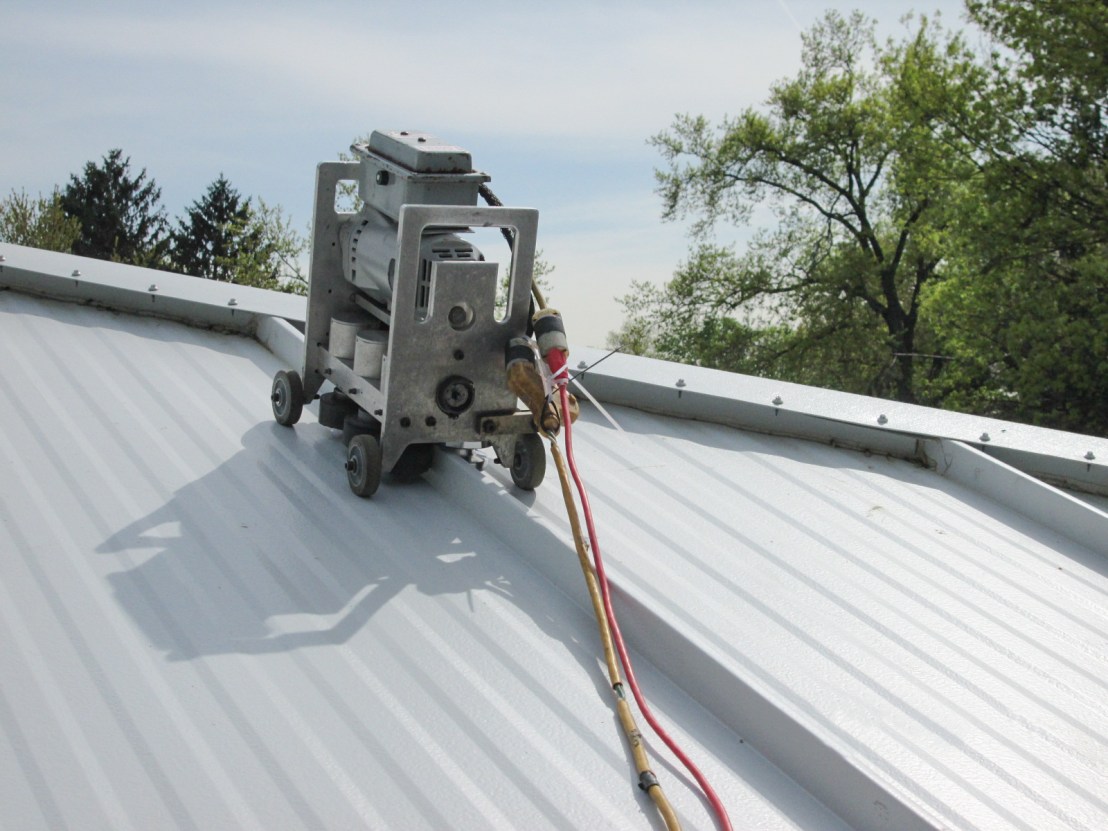
Seams were mechanically tightened, without the use of screws that might eventually breach the air and watertight assembly.
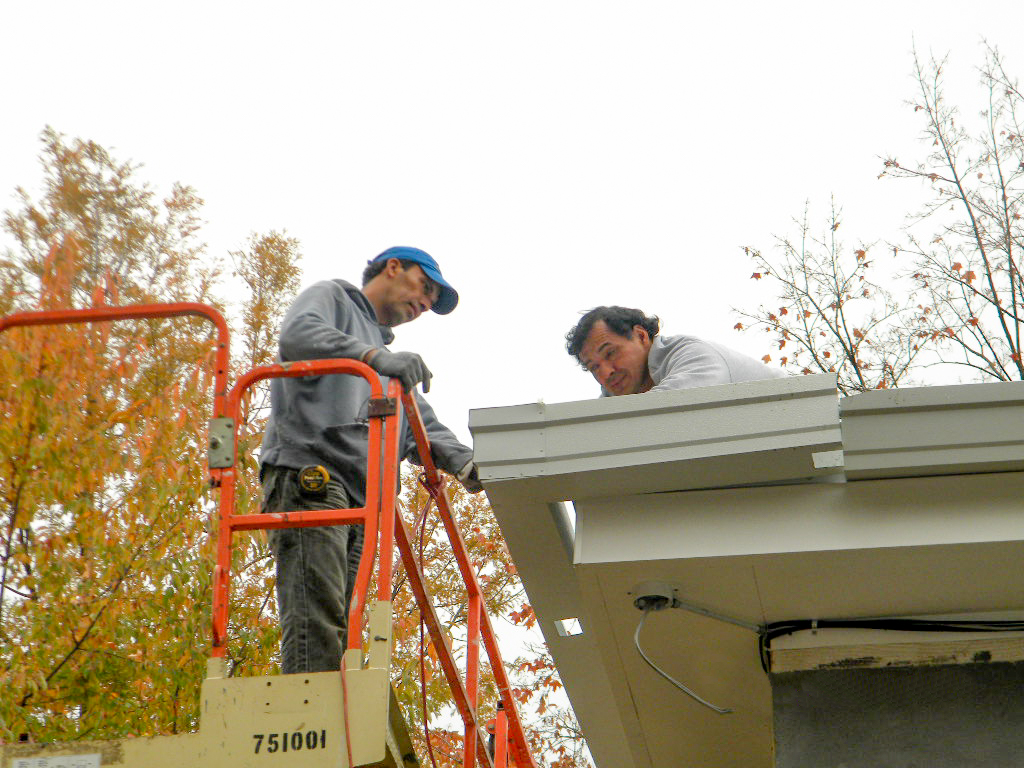
Roof gutters were added at the same time, without breaching roof insulation layer.
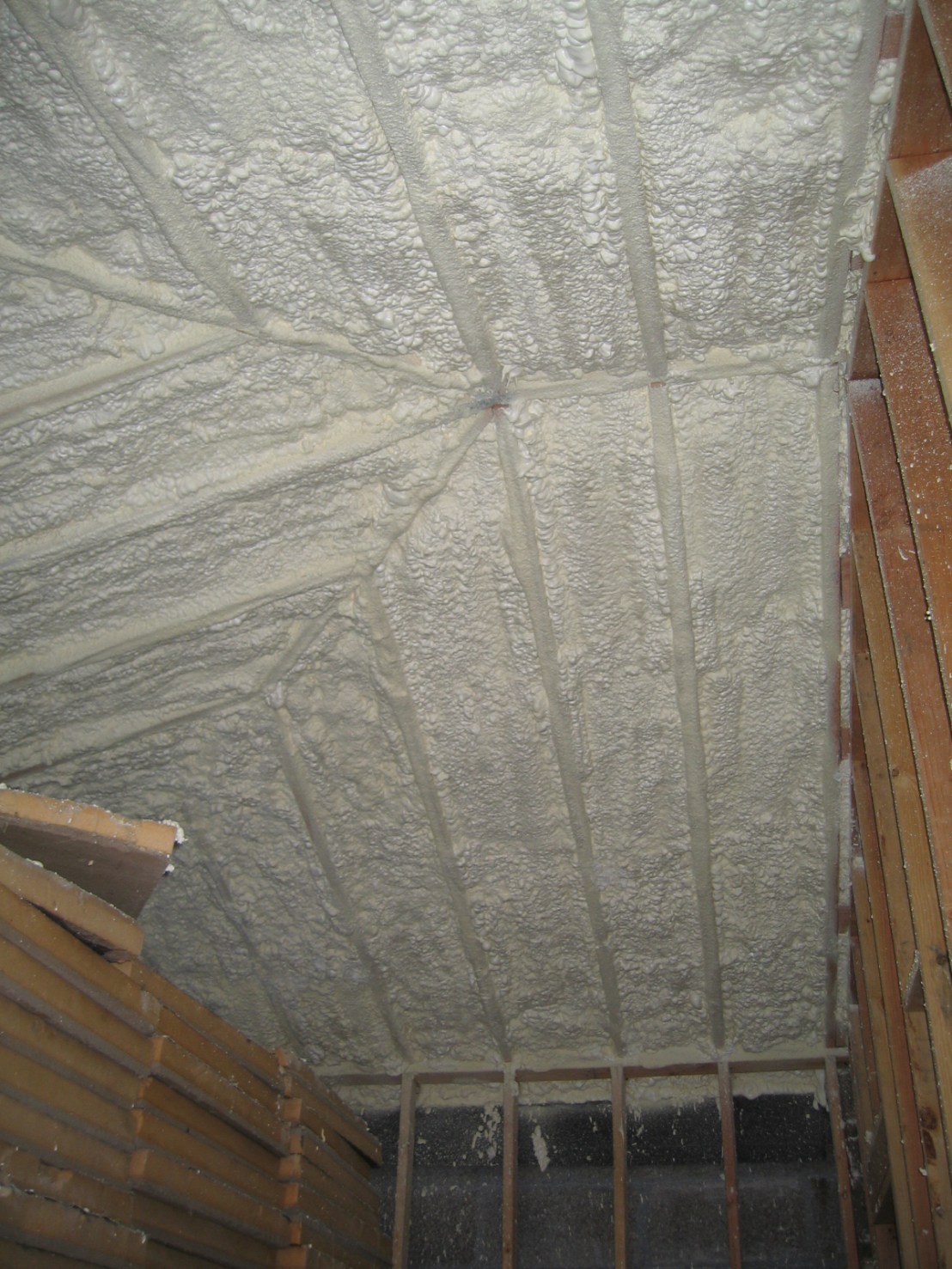
Interior ceiling framing was filled with soy-based sprayfoam insulation, coming into direct contact with wall insulation
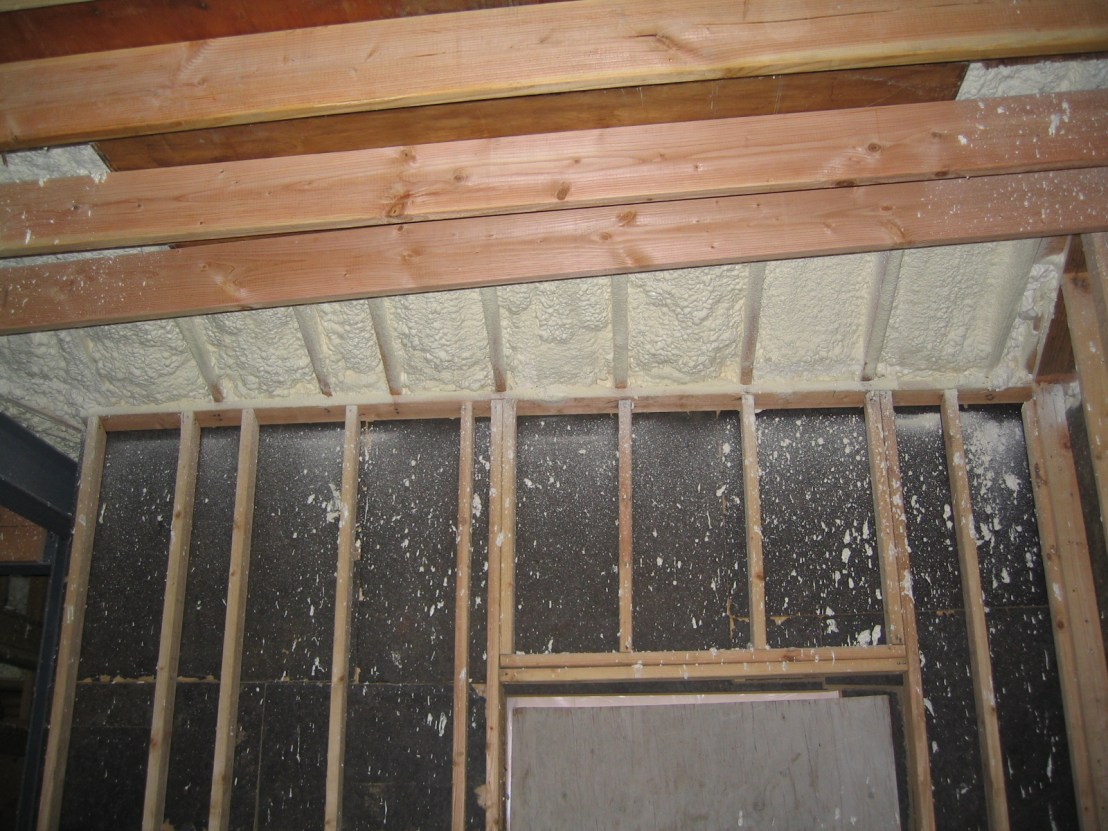
Insulation touching insulation
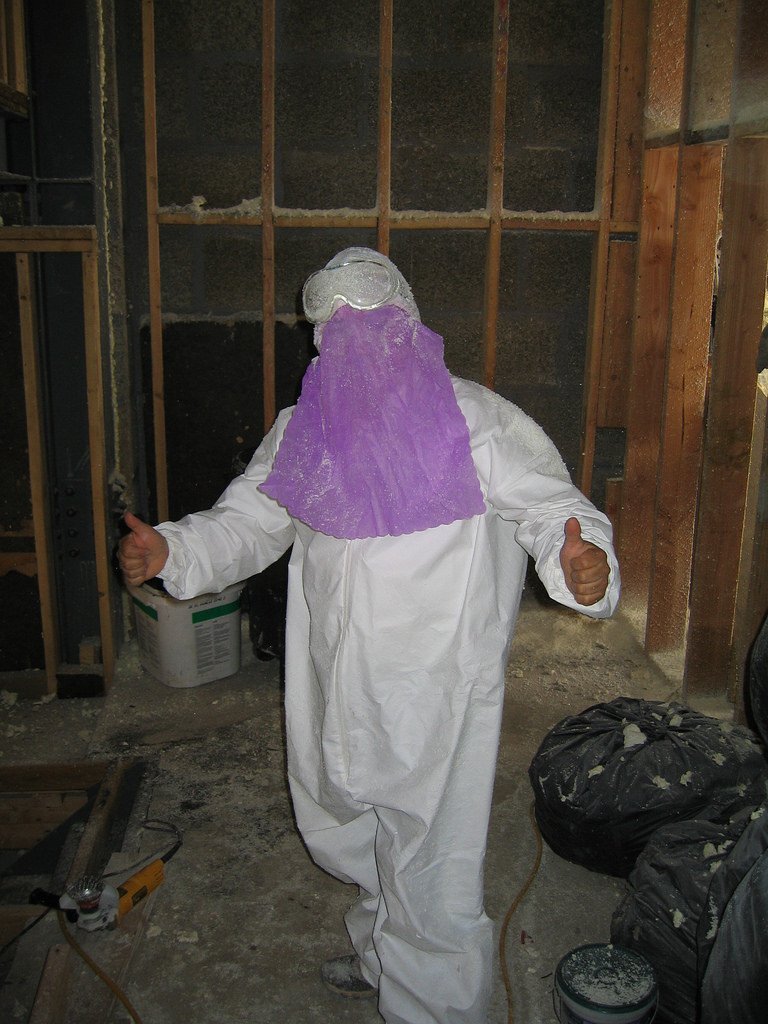
Excess foam was scraped and sanded smooth to allow for snug wallboard installation.
 zenesishouse.com